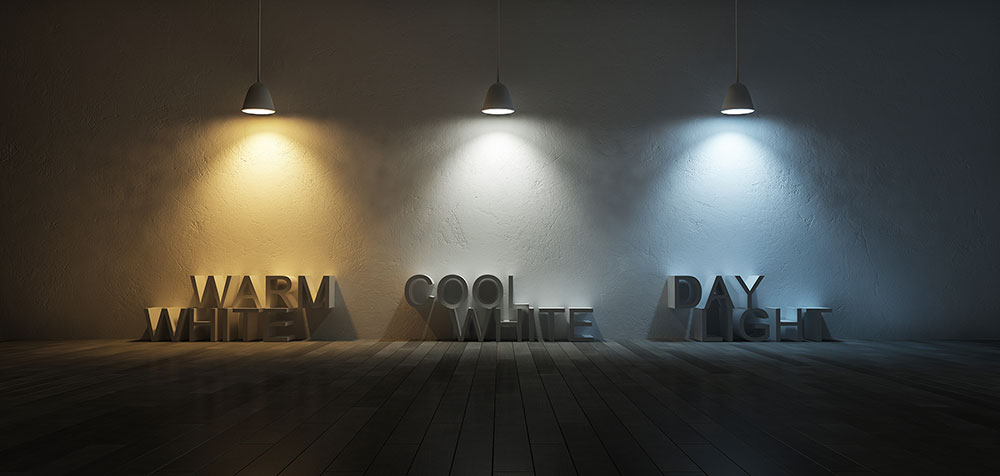
What LED Colour Temperature to Use
Choosing the right Kelvin value transforms the atmosphere and functionality of any space.
Read more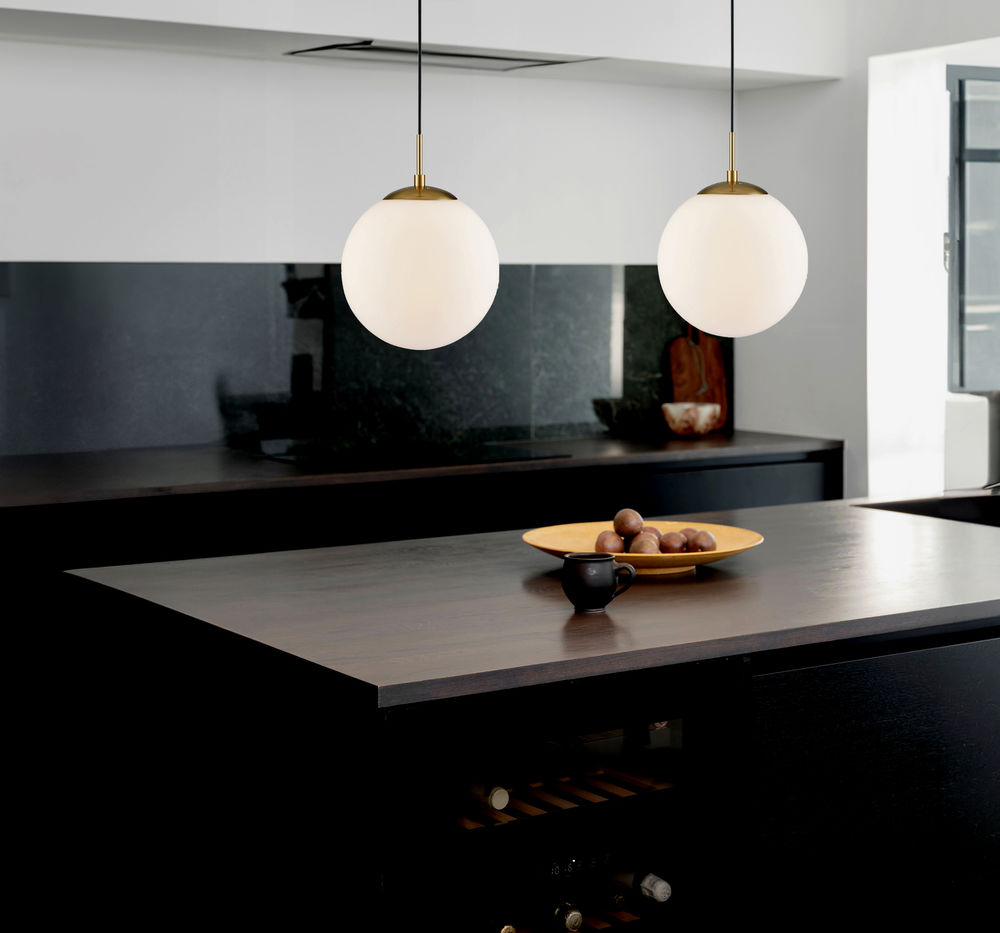
The kitchen island has become the social anchor of modern living — somewhere between a worktop, a dining table and a desk. The lighting above it has to do at least three jobs: deliver crisp task light for prep, provide a sculptural focal point for the whole room, and shift to soft, atmospheric mood lighting once the dishes are cleared. This guide covers the trends shaping island schemes in 2026 and the practical considerations that turn a good fitting choice into a great lighting design. Browse our complete pendant range to see everything we stock.
Almost every island scheme falls into one of a handful of shapes — globes, domes, linear bars, clusters or track. The first decision isn't the fitting, though; it's working out what your island actually needs to do, and how lighting fits into the wider scheme. The sections below cover both, starting with the planning rules that apply to every project.
Three measurements determine whether a pendant scheme works or feels wrong. Get these right before you fall in love with a particular fitting.
The base of an island pendant should sit roughly 75–90 cm above the worktop. Lower than 75 cm and you'll be looking at the bulb across the island; higher than 90 cm and the light spread starts to dilute. Standard ceilings (2.4 m) point to the lower end of that range; vaulted ceilings to the upper end.
For islands under 1.5 m, a single statement pendant or a linear bar usually wins. From 1.5–2.5 m, two pendants spaced evenly work beautifully. For islands over 2.5 m, three pendants or a longer linear bar give better balance. Whatever the number, space them so the centres divide the island length into equal parts — leaving roughly a third of the spacing distance from the end of the island to the outer pendants.
As a rough rule, the combined width of your pendants should equal around two thirds of the island length. Two 30 cm globes plus a 15 cm gap on a 1.8 m island? About right. Three 25 cm pendants on a 2.4 m island? Also right. Going visibly under that ratio leaves the lights looking lost.
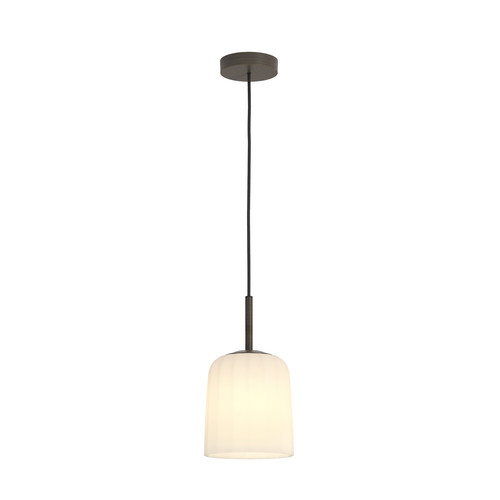
Opal-glass globes diffuse light evenly across the worktop and read as quiet sculpture when off. They're the most versatile shape on the market: pair with brass for warmth, with matt black for a graphic line, or with chrome for a more transparent look. Hung in pairs or threes along the island's long axis, globes flatter almost any palette — which is why they've stayed in fashion for the better part of a decade.

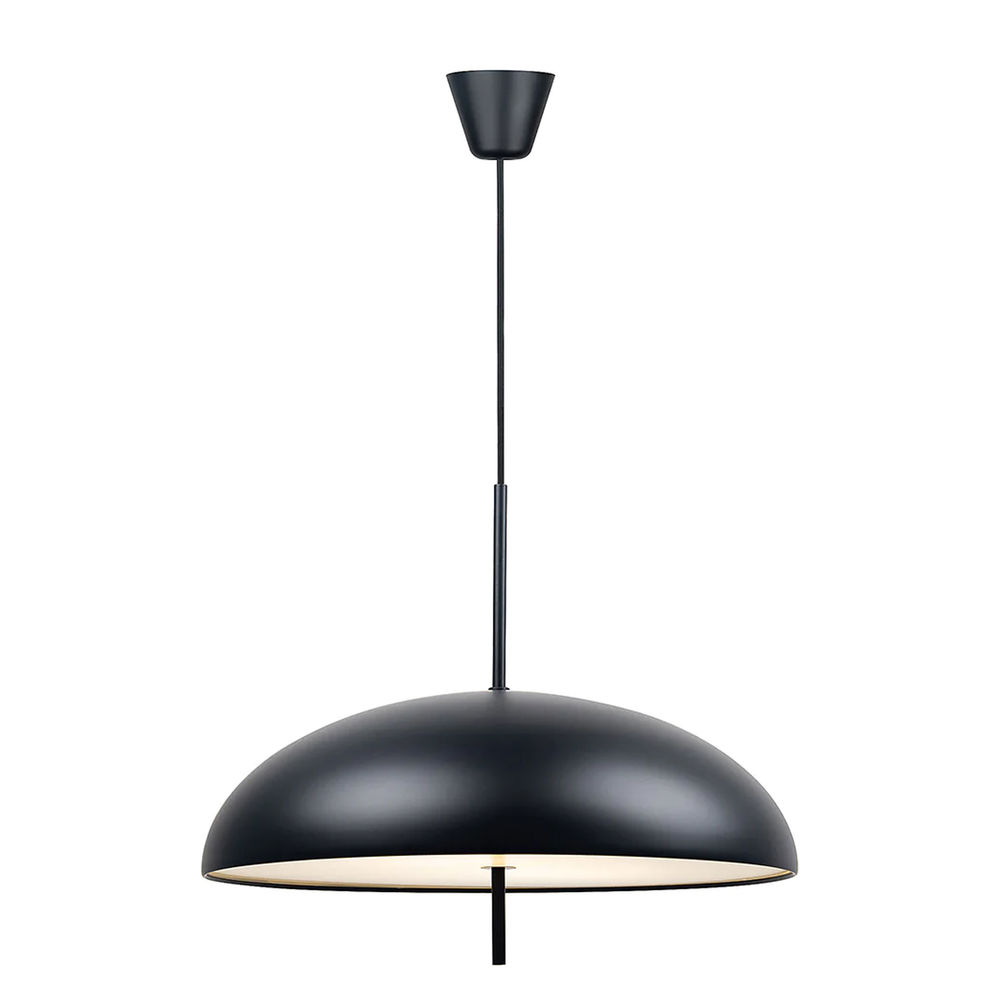
Oversized domes are having a moment. A single statement dome — or a pair on staggered drops — brings real architectural weight to a long island and casts a wide, generous pool of light onto the worktop. They suit large open-plan kitchens where the ceiling is high enough not to feel crowded, and they pair particularly well with travertine, stone and other earthy materials. The cleanest results come from matt black, plaster white or muted earth tones; high-gloss or coloured finishes risk overpowering the room.
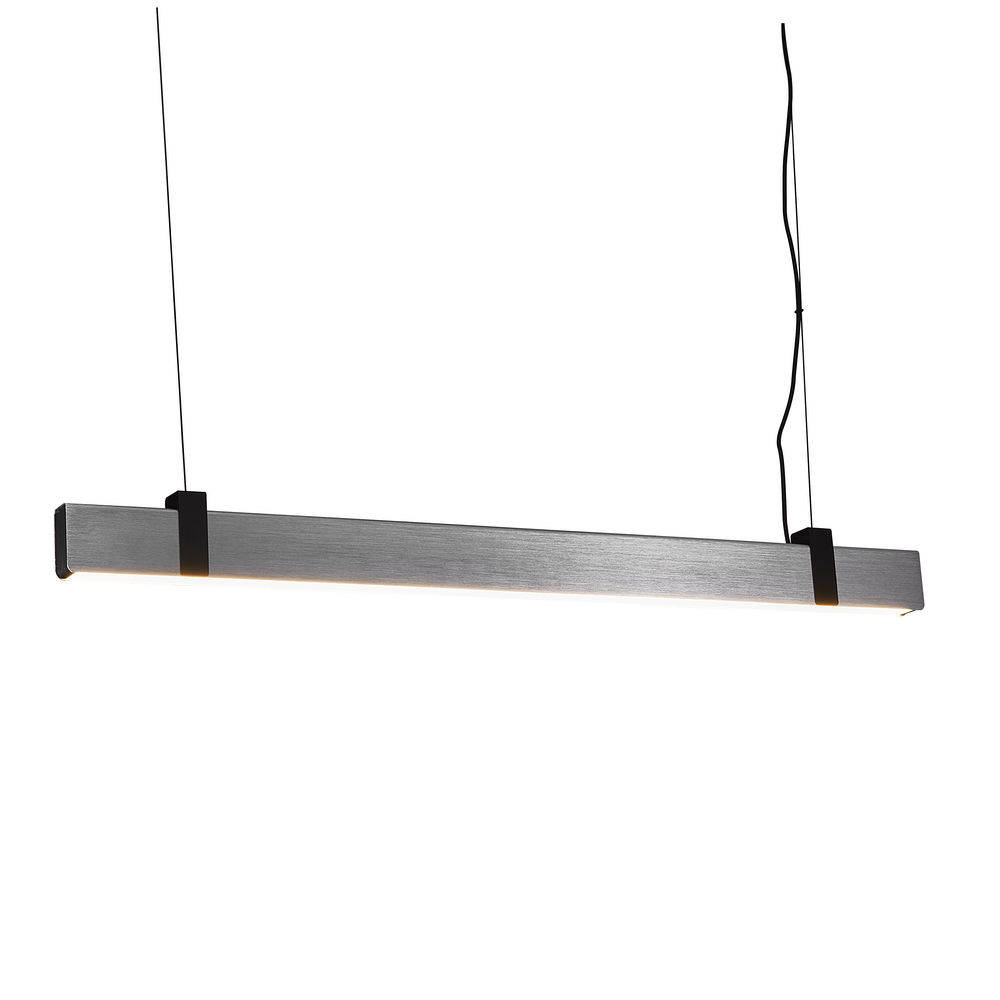
For longer islands, a single linear pendant beats three separate fittings every time. You get cleaner lines, no spacing dilemmas, and a continuous wash of light across the entire prep zone. Linear bars also tend to integrate driver electronics neatly and can be specified in a wider range of colour temperatures than decorative pendants. Three of our most-specified ranges:
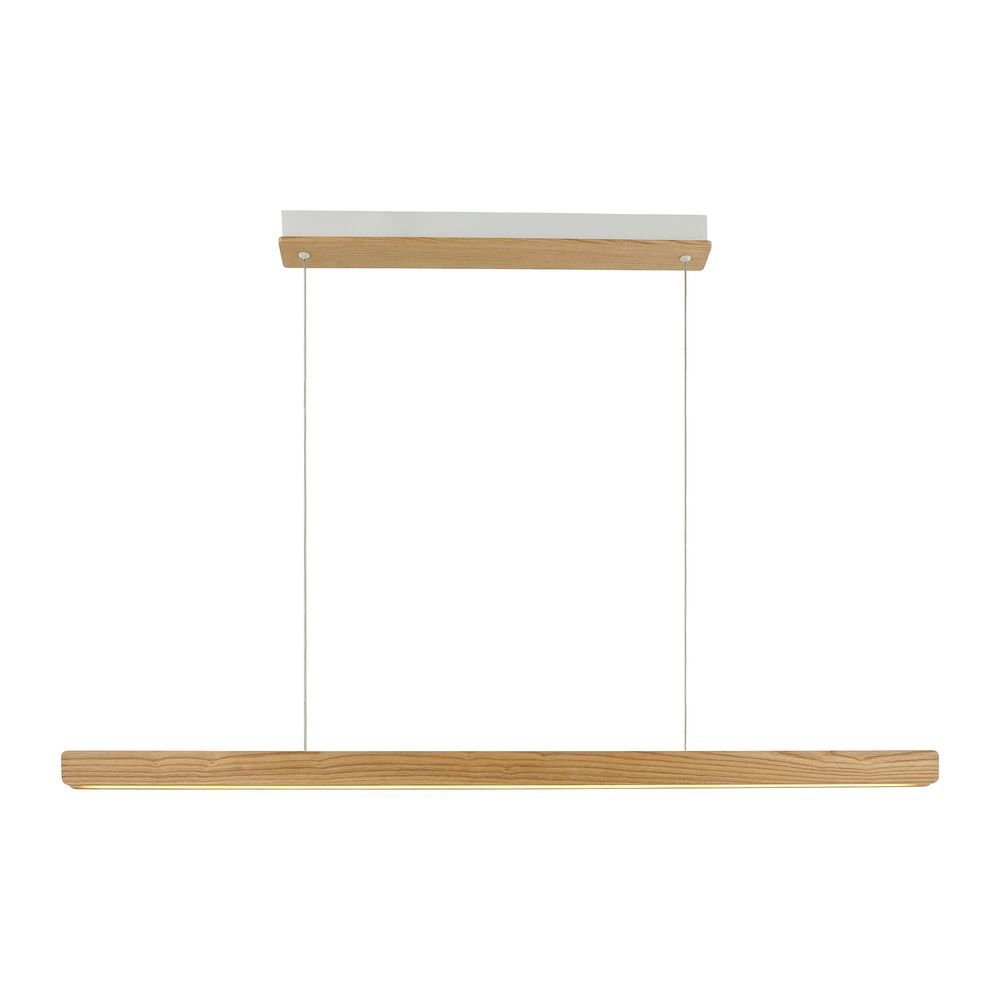
A solid timber linear bar with a soft, downward LED wash. Warm and organic in feel, Ilgas suits Scandi, biophilic and farmhouse-leaning schemes — anywhere a metallic finish would feel too hard.
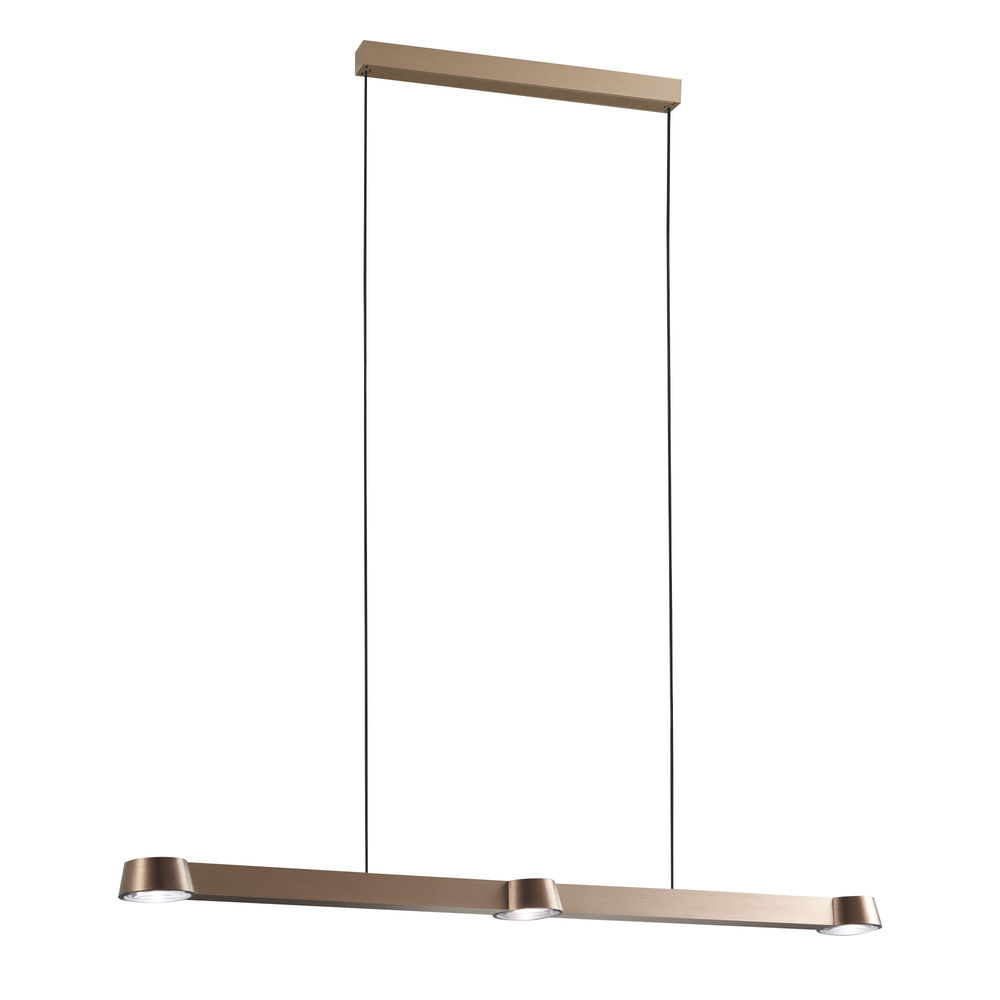
Discrete down-spots set into a slim metallic bar. Optic Linear gives you precise, focused task light without the visual bulk of a continuous diffuser — ideal where you want light on the worktop without the fitting itself dominating sight lines.
A refined linear bar in a brushed-bronze finish — quietly architectural over reclaimed timber, industrial and transitional schemes. Lilt's understated profile makes it a good fit where a pendant needs to feel considered rather than statement.
Cluster pendants — multiple smaller fittings hung from a single ceiling rose, or as separate drops at varied heights — break the symmetry of a typical pendant pair. They work especially well over a square island, in a double-height space, or where the rest of the room is otherwise restrained and could take a single sculptural moment. Globe pendants in mixed sizes are the most popular cluster approach, but we also see asymmetric brass-and-opal arrangements specified increasingly often for higher-end residential briefs.
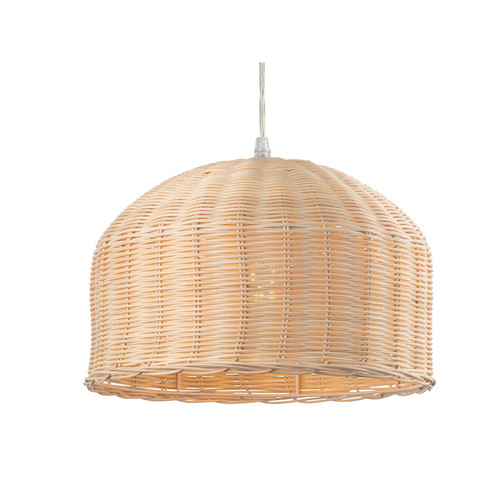
Browse Cluster PendantsRattan, oak, woven cane and turned timber bring tactile warmth to kitchens that are otherwise dominated by stone, steel or glossy lacquer. They cast a softer, dappled light too — more flattering for an island used as much for breakfast and homework as for cooking. The trade-off is that woven pendants throw less directional light onto the worktop, so layer them with downlights or under-cabinet strip for proper task illumination when needed.
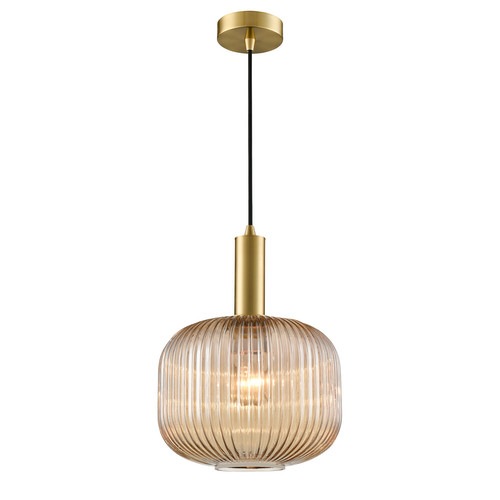
Cool chrome is on the way out. Brass, antique brass and bronze finishes add depth and warmth to monochrome schemes, and tie cleanly into tap-ware and ironmongery for a coherent metals story across the room. Brass tends to flatter warmer palettes (oak, terracotta, cream); bronze tends to ground cooler ones (concrete, deep blue, charcoal). Mixing the two within a single room is fine — even desirable — provided you commit to one as the dominant finish.
Track systems are often dismissed as commercial or retail-only, but a well-specified track over an island can be one of the most flexible lighting solutions available. You get adjustable spotlights for task light exactly where you need it, optional pendants on the same circuit for atmosphere, and the ability to add or move heads as the kitchen evolves. Modern slim profiles in matt black or brass make track far less obtrusive than older systems — and where a ceiling won't easily take pendants (sloped, beamed, or with no junction box in the right place), track is often the cleanest answer.
Browse Track SystemsPendants do the heavy lifting. LED tape does the mood. Tucked under the island overhang, along the underside of upper cabinets and inside open shelving, warm-white tape (2700K–3000K) gives a kitchen its evening glow and doubles as gentle wayfinding at night. For the cosiest result, choose Extra Warm White at 2700K; for kitchens that lean cooler or more contemporary, 3000K Warm White is the safer all-rounder. Pair tape with a separate dimmer so you can drop the room to a low ambient glow without touching the pendants.

Whichever pendant shape you choose, the difference between a good and a great kitchen scheme almost always comes down to layering. The best island schemes never rely on a single fitting. We typically specify three to four light sources for any island, each on a separate dimmable circuit:
Put each layer on its own dimmer (or a scene-based smart-dimming system) and you can shift the room from full task brightness for cooking, to balanced ambient light for dining, to a dim atmospheric glow for wind-down — all without touching a bulb. For more on dimming systems, see our guide to dimming controls; for choosing the right colour temperature for each layer, see our colour temperature guide.
Our team are happy to advise on pendant selection, layering and circuits for your project. Free initial quotations and full design support — talk to a specifier, not a sales line.
More lighting design guides from our team
 Technical Guide
Choosing the right Kelvin value transforms the atmosphere and functionality of any space.
Read more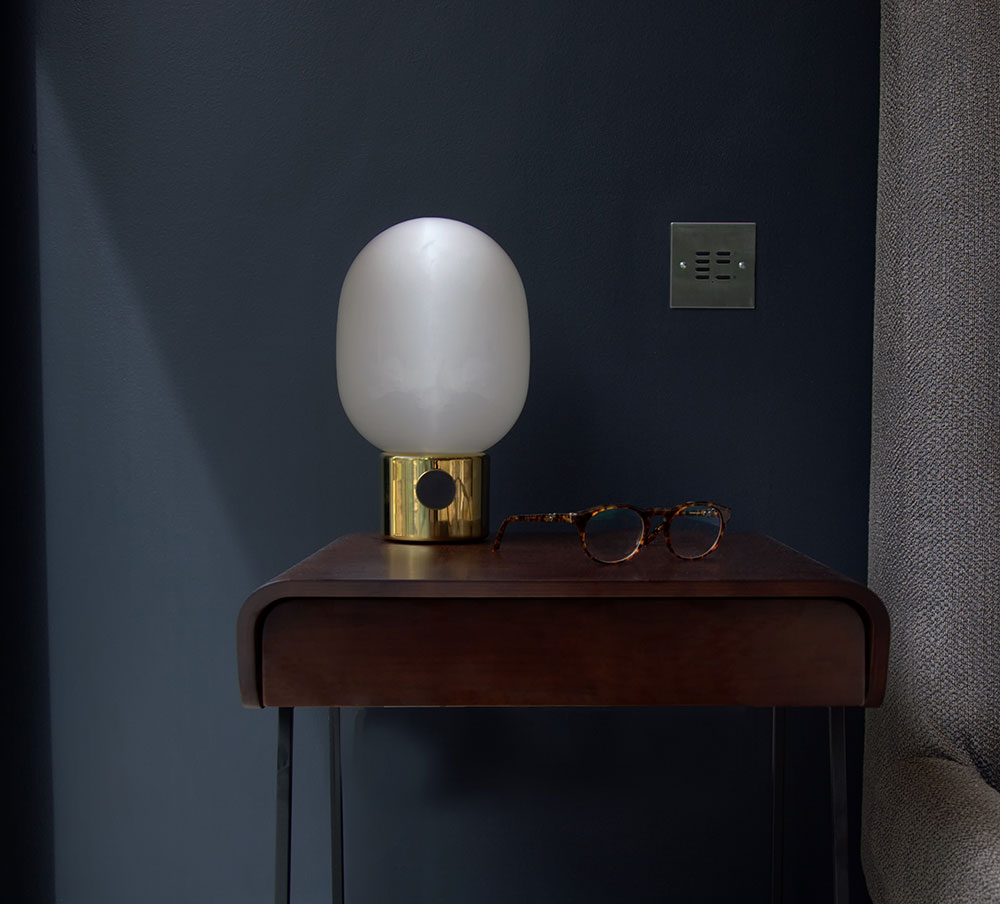 Smart Controls
Compare rotary, push-button, wireless and smart dimming systems for your project.
Read more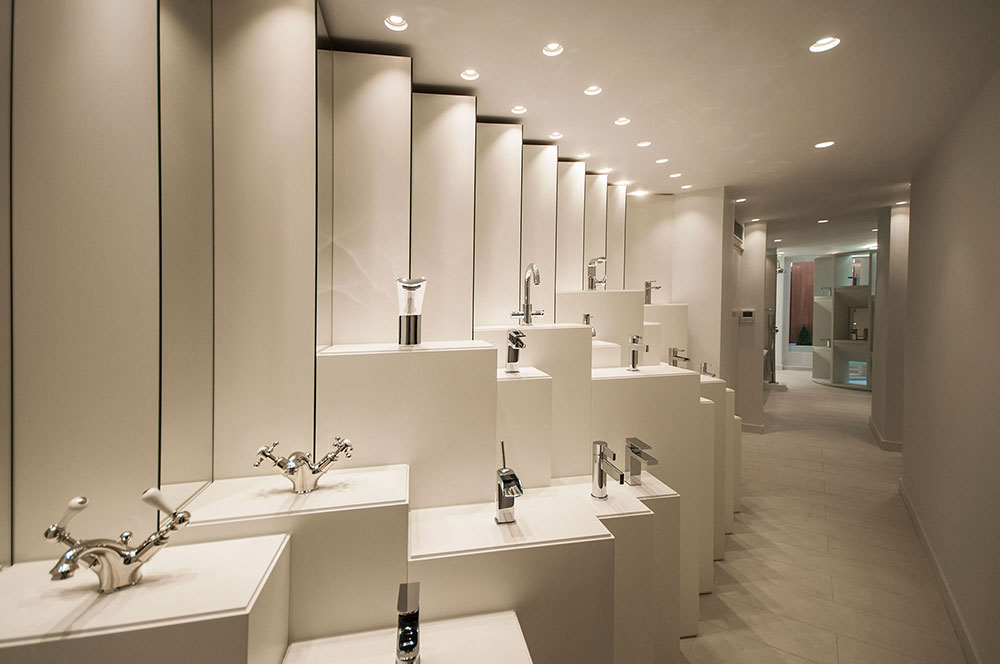 Buying Guide
Trimless, plaster-in, fire-rated and integrated LED downlights compared.
Read more