Everything you need to know about choosing the right wall light for every room — from finish and style to IP rating and installation.
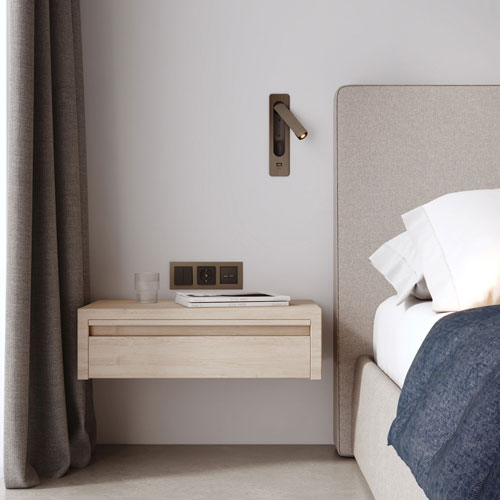
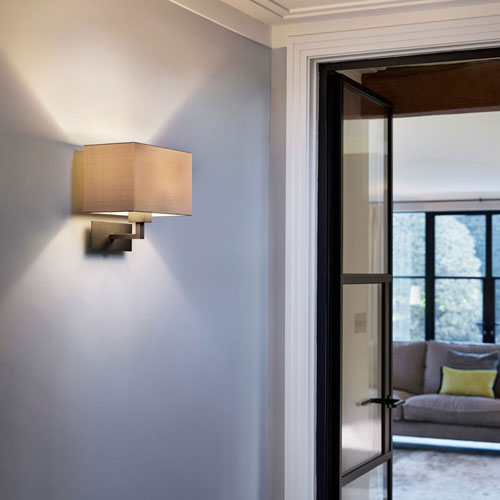
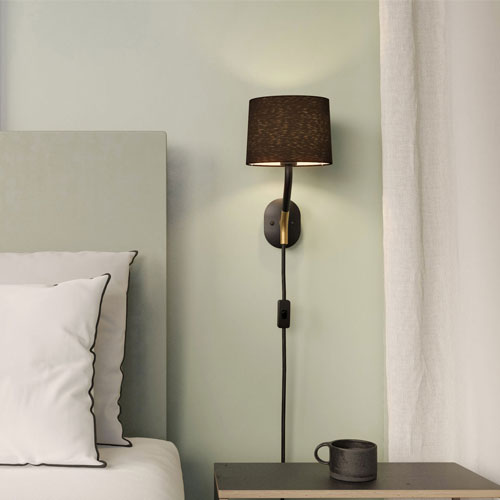
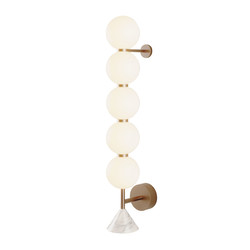
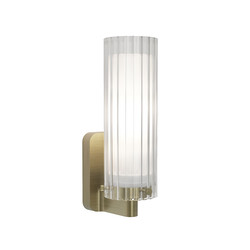
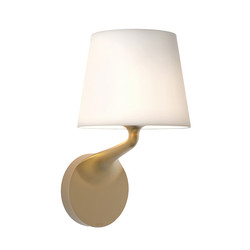
BedsideBedside & Bedroom Wall LightsMount bedside lights at approximately 1.4–1.5m from the floor, or 30–40cm above mattress height. Adjustable swing-arm and reading models give targeted task light. Choose dimmable versions for full control over bedroom ambience.
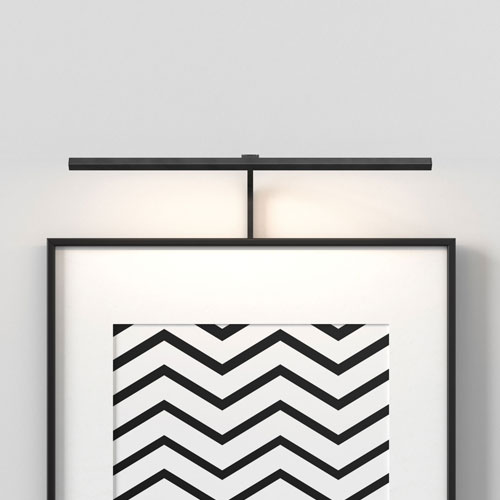
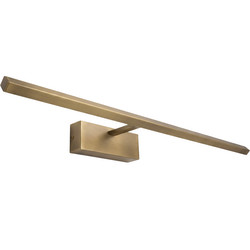
Picture LightsPicture & Artwork LightsA picture light should be approximately half the width of the artwork it's illuminating. Position the fitting so the beam covers the full canvas without creating glare on a glazed frame. LED versions run cool, protecting sensitive pigments.
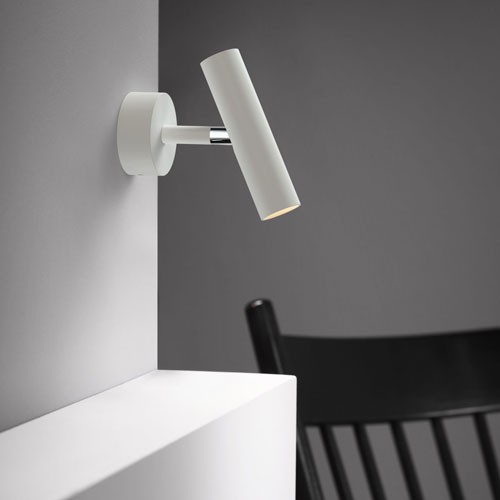
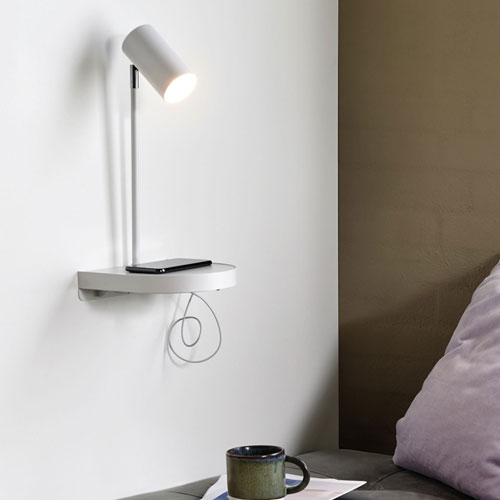
SpotlightsWall-Mounted SpotlightsWall spotlights with adjustable heads provide directional accent lighting from the wall plane — ideal for highlighting artwork, shelving, or alcoves where a ceiling track isn't possible or desired.
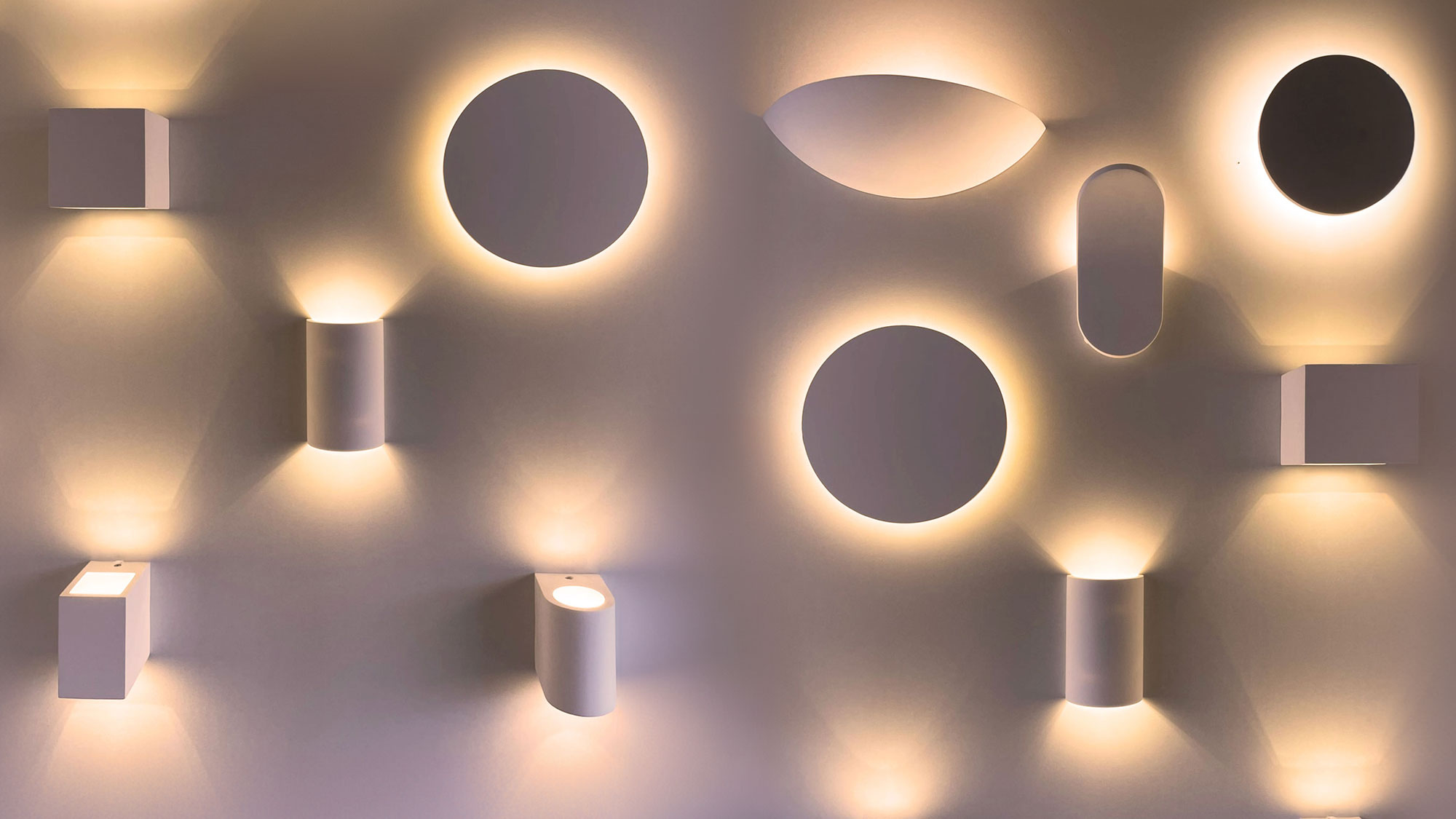
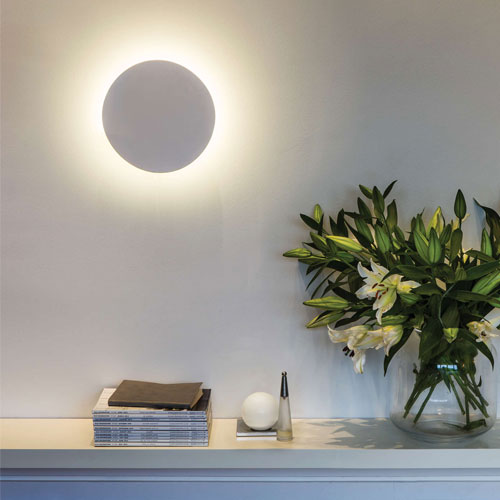
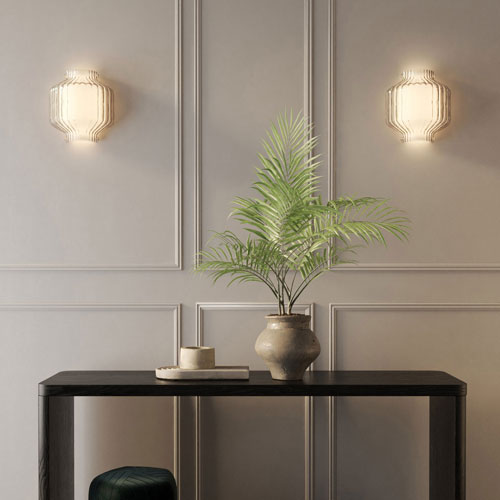
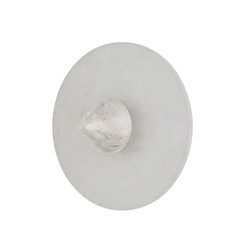
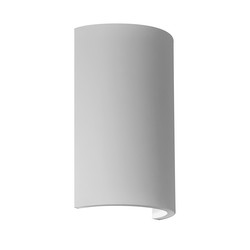
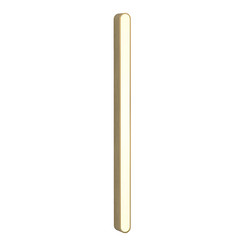
PlasterPlaster & Integrated Wall LightsPlaster wall lights are skimmed over during installation, sitting flush and virtually invisible in the wall. Once painted, they create a seamless architectural effect. Popular in minimalist and high-specification interiors.
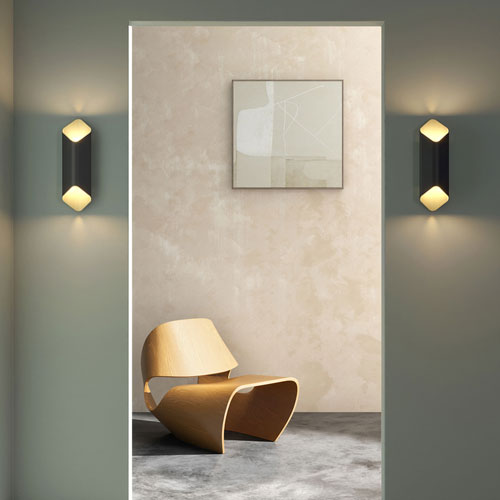
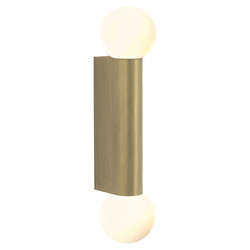
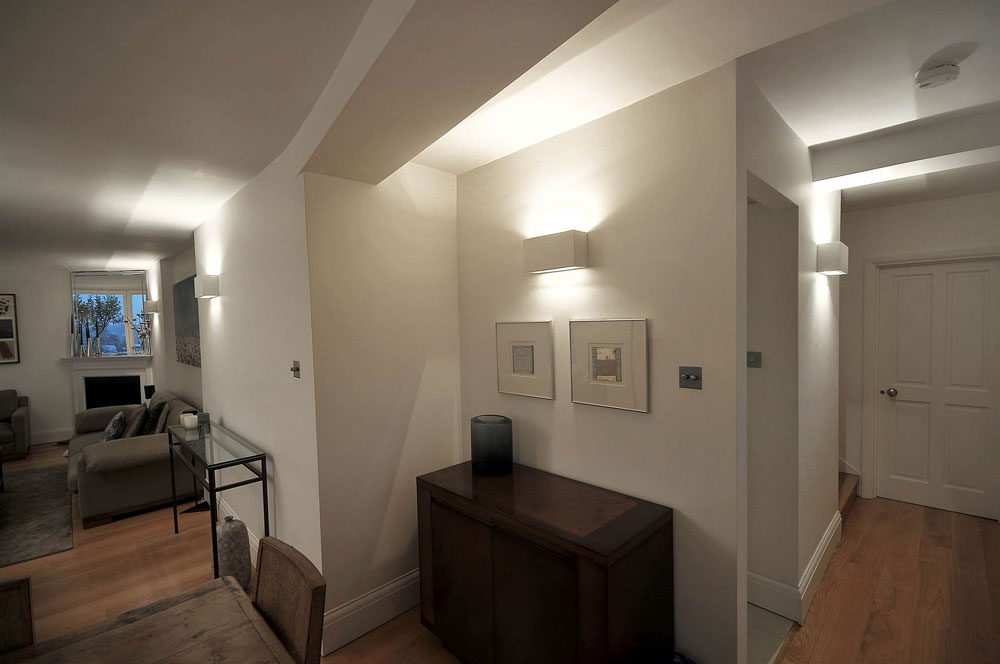
Up & DownUp & Down Wall LightsBi-directional fittings cast light both upward and downward, creating dramatic wall washing effects and highlighting wall textures. Particularly effective in hallways, staircases, and dining rooms.
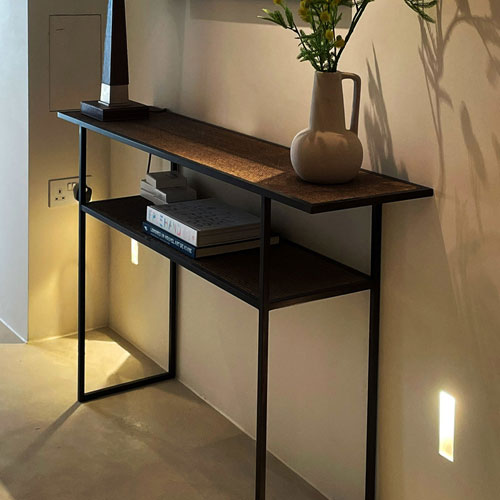
Low LevelLow Level & Step LightsFitted at skirting or step height, low-level wall lights provide safe, gentle illumination for staircases, hallways, and cinema rooms without the harshness of overhead lighting. Many include PIR sensors.
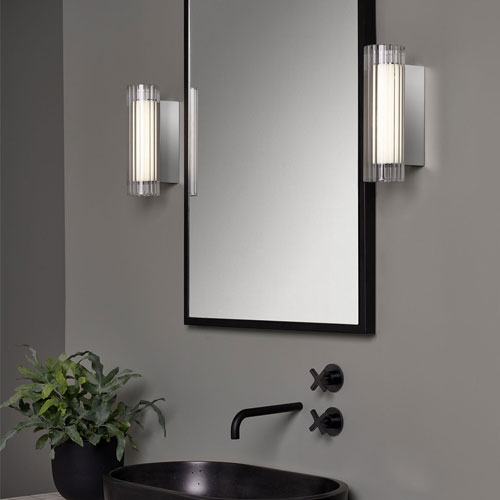
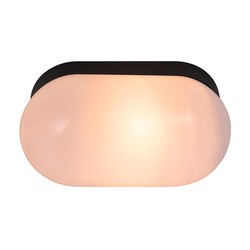
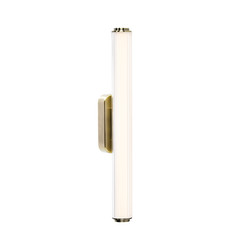
BathroomBathroom Mirror & IP-Rated LightsBathroom wall lights must carry the correct IP rating for their installation zone — minimum IP44 for Zone 2. Side-mounted mirror lights at face height (approx. 1.5m) eliminate shadows for grooming tasks.
Plug-inPlug-in Wall LightsPlug-in lights require no hardwiring — they plug into a standard socket and sit flat to the wall. An ideal solution for rental properties or for testing a position before committing to a fixed installation.
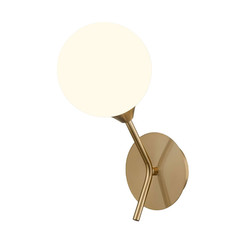
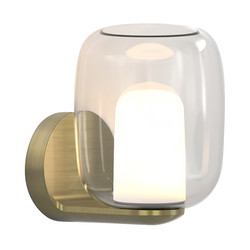
FinishesChoosing a FinishMatch wall light finishes to other hardware in the room — door handles, taps, and cabinetry. Black suits contemporary and industrial interiors; brass suits warm, traditional schemes; chrome suits modern and minimalist spaces.
DimmingDimmable Wall LightsWall lights used for ambience should always be dimmable. Check that the fitting, lamp (if replaceable), and dimmer switch are all compatible. Most LED wall lights require a trailing-edge or LED-specific dimmer.
HeightWall Light Installation HeightGeneral wall lights work best at 1.5–1.7m from the floor. Bedside lights suit 1.4–1.5m. Low-level lights are typically 300–500mm from the floor. Always consider eye level from seated and standing positions.
InstallationInstallation AdviceFixed wall lights require a qualified electrician under Part P of the Building Regulations. Plug-in versions need no installation. Our team offers free advice — call 020 8874 2234 or email info@mr-resistor.co.uk.