From seamless trimless plaster-in to fire-rated GU10s — we have over 50 years of expertise helping you choose the right downlight for every space.
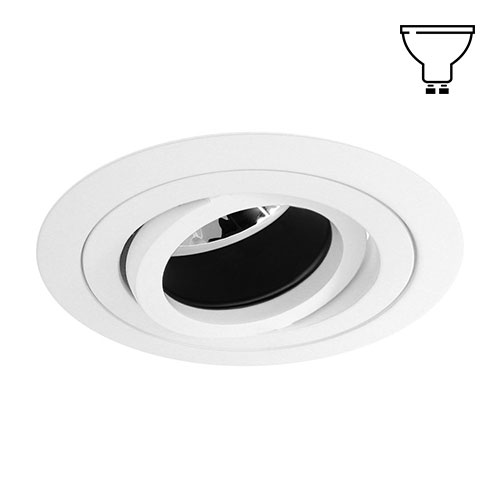
Standard GU10 Downlights
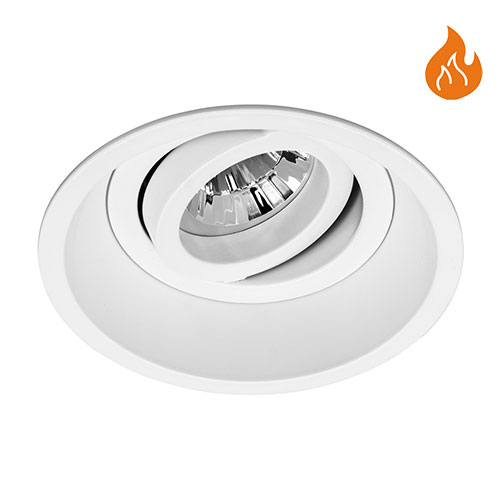
Fire-rated Downlights
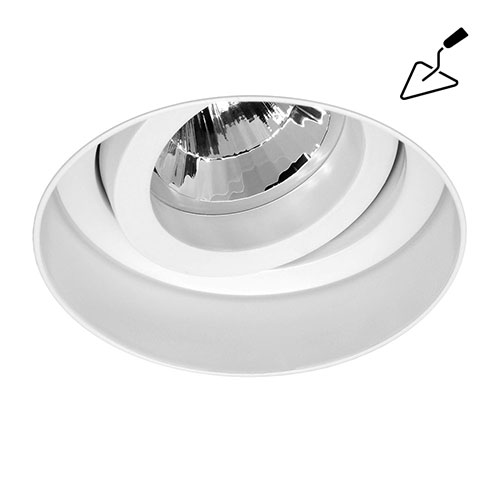
Plaster-in Downlights
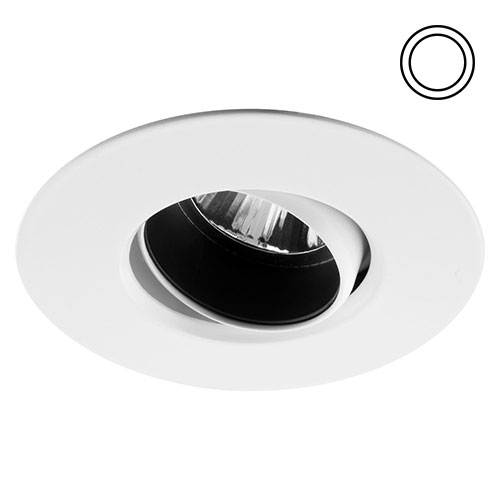
Trimmed Downlights
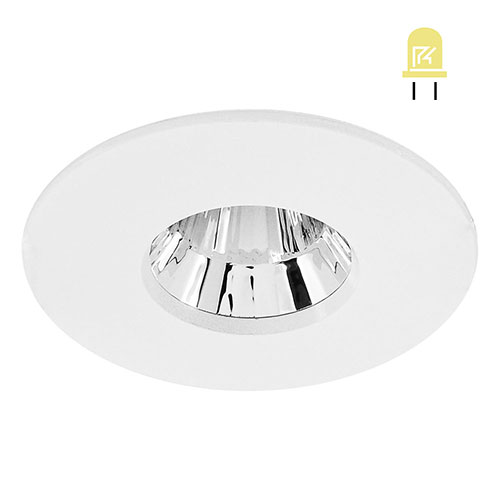
Integrated LED Downlights

Bathroom Downlights
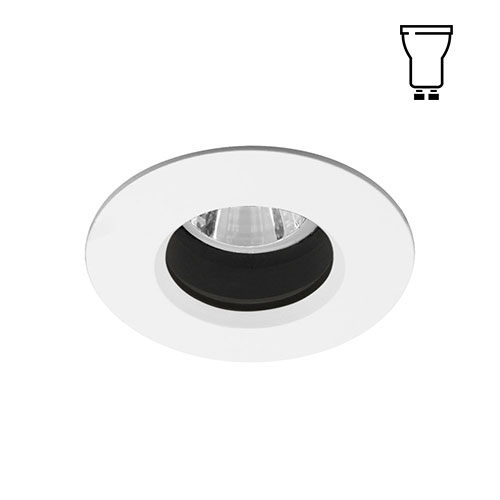
Small GU11 Downlights
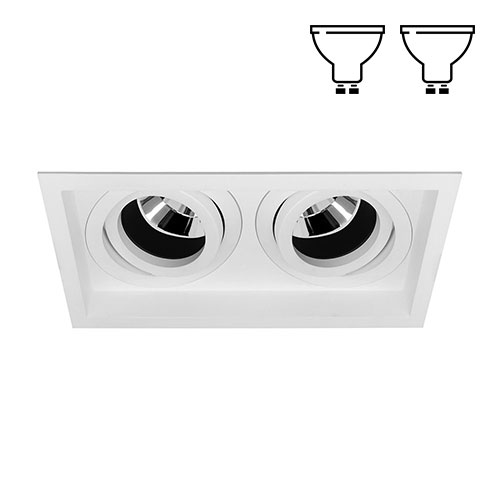
Multi Downlights
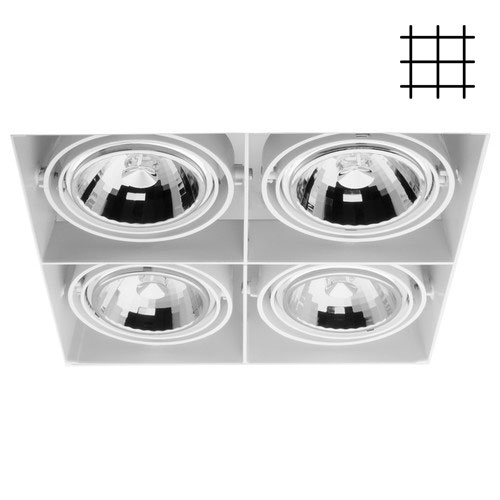
Grid Downlights
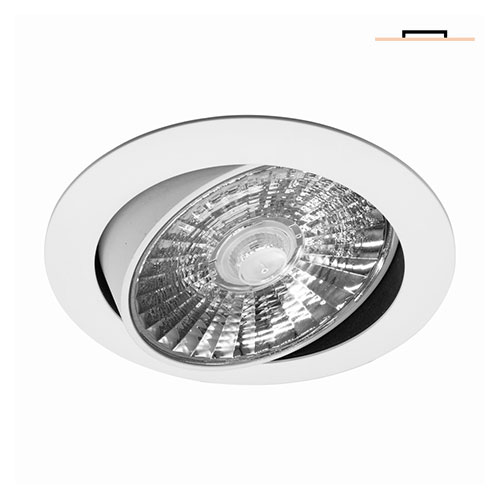
Shallow Downlights
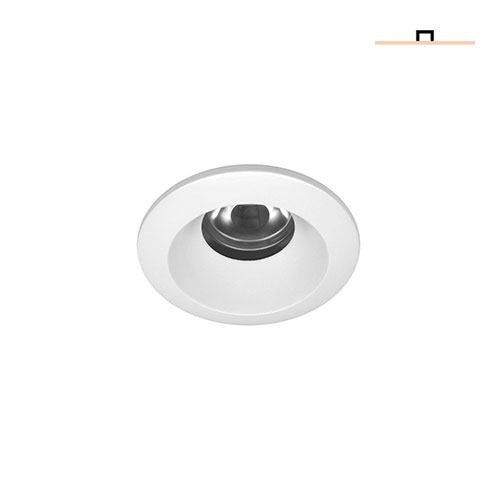
Micro Downlights
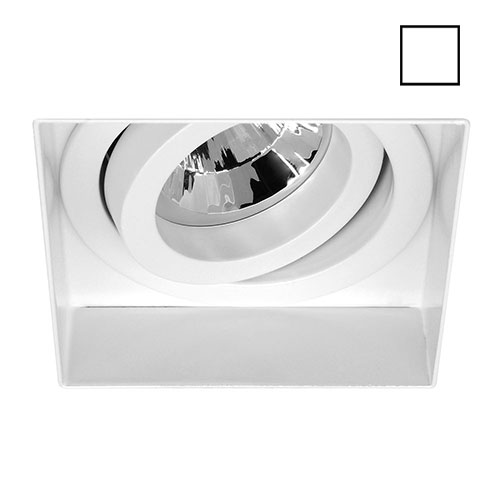
Square Downlights
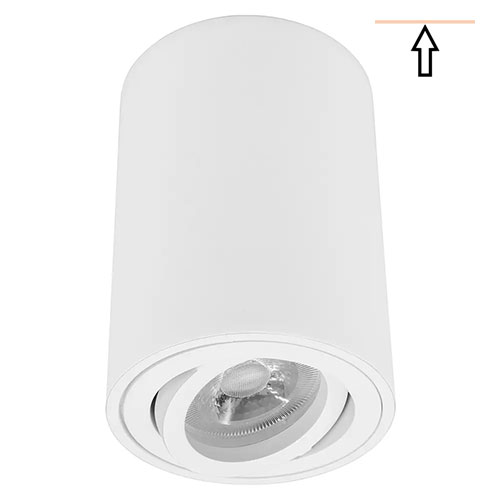
Surface Mounted Downlights
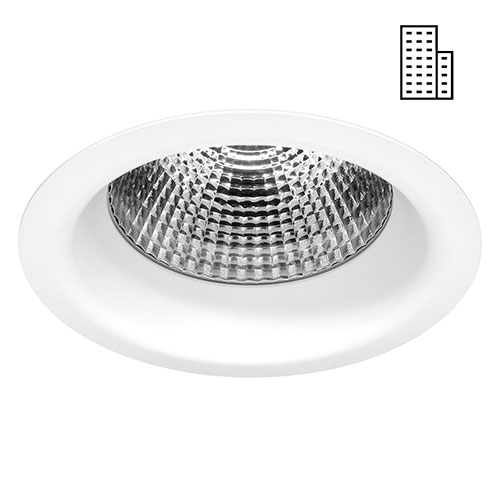
Commercial Downlights
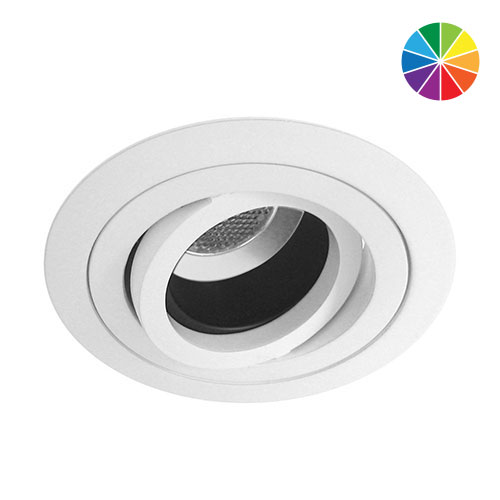
Colour Change Downlights
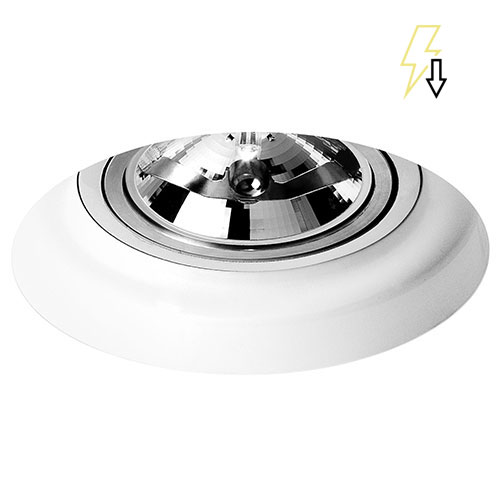
Low Voltage Downlights
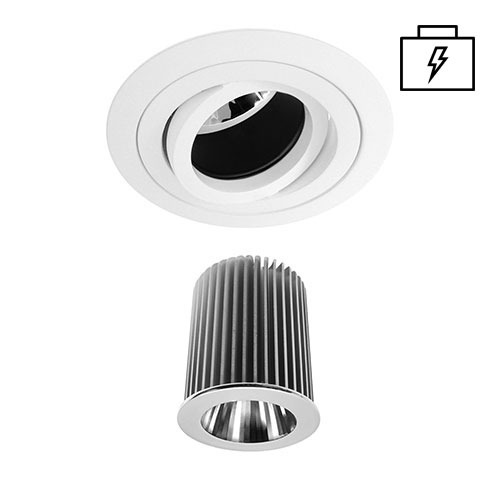
Downlight Lamp & Module Kits
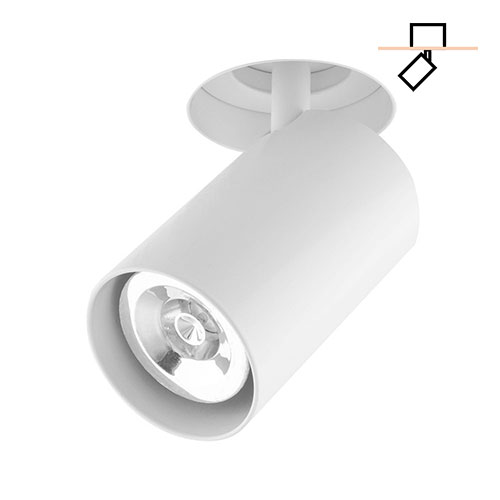
Semi-Recessed Spotlights
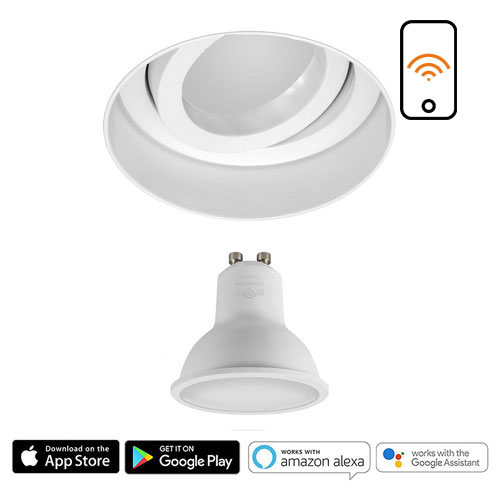
Smart Downlights
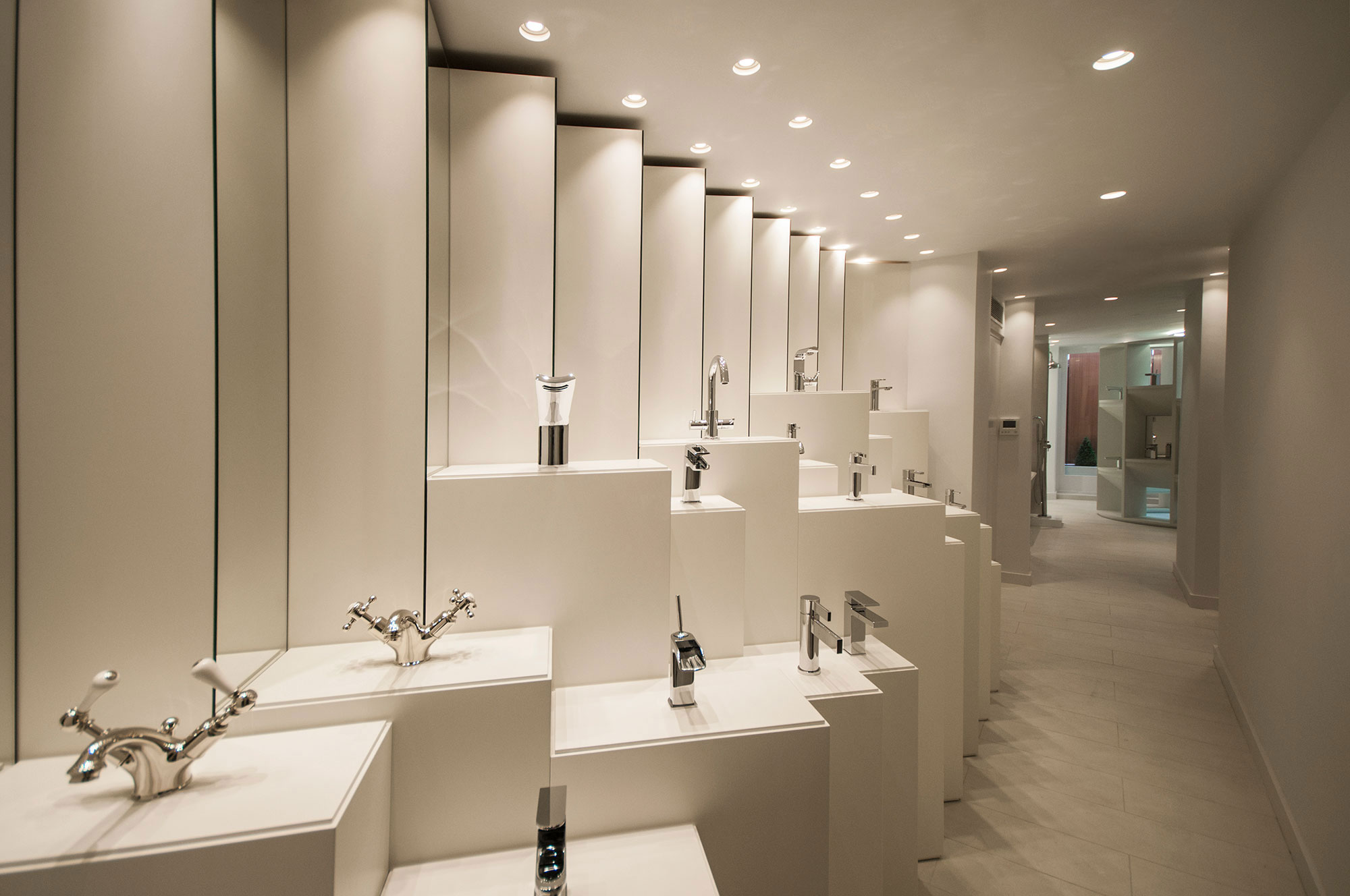
Downlights are one of the most versatile lighting solutions available. Getting the specification right — trim type, IP rating, lamp type, beam angle — makes a significant difference to the finished result and long-term running costs.
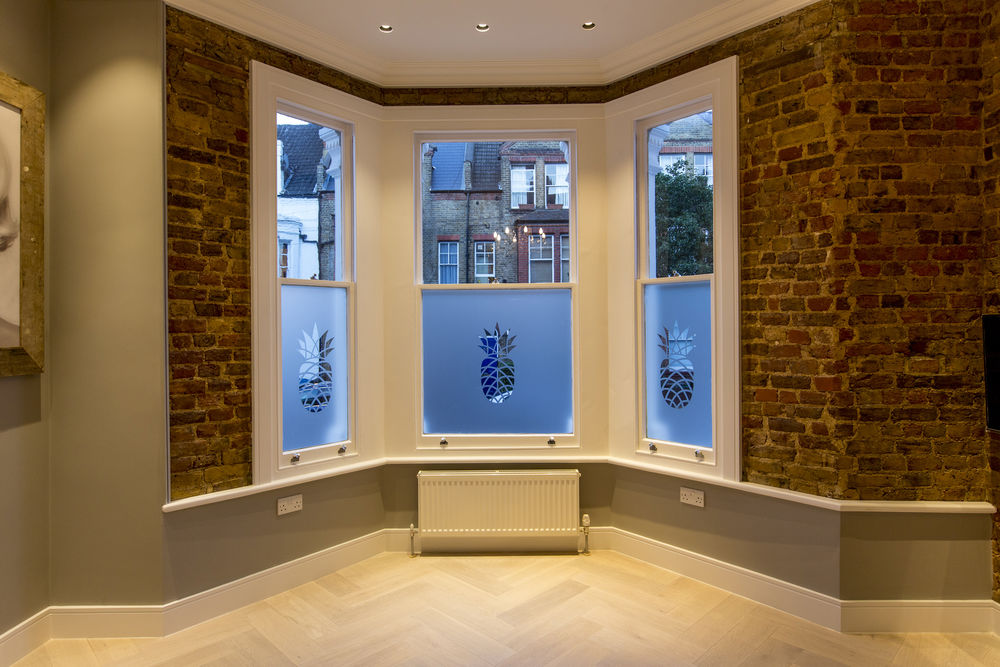
Everything you need to know about choosing, specifying, and installing downlights — from ceiling depth to colour temperature.
Plaster-in downlights are installed before the ceiling is skimmed, creating a seamless, frameless look. Available in standard, fire-rated, and bathroom versions. Ideal for new builds and high-specification refurbishments.
Trimmed downlights are the most common type, featuring a visible bezel. Easy to retrofit into existing holes. Our Mini Trim range uses a reduced bezel to mimic a trimless appearance without requiring plastering.
Most Building Regulations require fire-rated downlights when cutting holes in a ceiling that forms a fire barrier. They maintain the 30–60 minute fire resistance of the ceiling structure and are essential in most domestic installations.
Integrated LED downlights have the driver and light source built in — no lamp replacement needed, higher efficiency, and longer life (25,000+ hours). GU10 versions allow lamp swaps but need LED-compatible dimmer switches.
Zone 1 (above bath/shower) requires a minimum of IP65. Zone 2 requires IP44. Always match the IP rating to the zone — using an unrated fitting is both unsafe and non-compliant.
Standard downlights require 80–100mm above the ceiling. Shallow downlights can fit into depths as low as 35–50mm, making them ideal for rooms with insulation, joists, or concrete soffits.
2700K–3000K (warm white) is ideal for living rooms and bedrooms. 4000K suits kitchens and bathrooms. Avoid mixing colour temperatures within one room — it creates a disjointed, uncomfortable feel.
Always check that your chosen LED downlight is compatible with your dimmer switch. Most LED downlights require a trailing-edge or LED-specific dimmer. Incorrect dimmers cause flickering or buzzing.
Fixed downlights provide even general illumination. Adjustable (eyeball) downlights allow the beam to be directed, perfect for highlighting artwork, shelving, or architectural detail without fitting separate picture lights.
As a rule of thumb, space downlights at half the ceiling height apart. For a 2.4m ceiling, aim for approximately 1.2m centres. Avoid placing downlights directly over seating positions to prevent glare.
Smart downlights integrate with Alexa, Google Home, or dedicated systems like Wise Controls. Colour-changing (RGB or RGBW) options allow dynamic scene setting — from warm candlelight to vibrant feature lighting.
Downlight installation must be carried out by a qualified electrician. Part P of the Building Regulations applies to all fixed electrical work in England and Wales. Our team offers free specification advice — call 020 8874 2234.
